
It’s one of the hardest shifts a family can go through. For years, your parents were the ones who took care of you. They made the decisions, handled the bills, and kept everything running smoothly. But lately, you might have noticed things changing. Maybe dad is forgetting to pay the mortgage, or mom is being targeted by phone scammers. Perhaps a medical diagnosis has made it clear they can no longer safely live alone or manage their own healthcare.
When a loved one loses the ability to make safe and sound decisions, it’s stressful, confusing, and, let’s be honest, emotionally draining. You want to help, but you need the legal authority to do so. In Northern Virginia, that’s where the process of guardianship and conservatorship comes in.
We work with families across Fairfax, Loudoun, Prince William, and Arlington to navigate these sensitive transitions. If you’re at the point where you’re asking, “What happens now?” we’re here to walk you through it.
Understanding the Basics: Guardian vs. Conservator
In Virginia, when the court steps in to help an incapacitated adult, they typically appoint two different roles (though often the same person fills both).
- The Guardian: This person is responsible for the "person." If you are appointed as a guardian, you make decisions about where your parent lives, their medical care, their daily safety, and their general well-being.
- The Conservator: This person is responsible for the "estate." As a conservator, you manage the money. You’ll pay the bills, manage investments, sell property if needed, and protect your parent’s assets from being wasted or stolen.
While the terms can get a bit technical, we like to keep it simple. If you’re looking for a conservatorship lawyer in VA, you’re essentially looking for someone to help you get the legal "keys" to manage a loved one’s finances when they can no longer do it themselves.

The Court Process in Northern Virginia
It’s important to know that guardianship isn’t something you can just "sign up" for at the local clerk's office. Because it involves taking away some of a person’s fundamental rights to make their own choices, the Virginia Circuit Courts take it very seriously.
Here is the general path we take when helping families in Northern Virginia:
1. Filing the Petition
We begin by filing a formal petition in the Circuit Court (such as the Fairfax County Circuit Court or the Loudoun County Circuit Court) where your parent lives. This document explains to the judge why your parent needs help and why you (or another person) should be the one to provide it.
2. The Medical Evaluation
The court needs proof of "incapacity." This isn’t just your opinion, it requires a report from a licensed professional, like a doctor or psychologist, who has evaluated your parent. They will assess whether your parent can still process information and make decisions about their personal and financial needs.
3. The Guardian ad Litem (GAL)
Once the petition is filed, the court appoints a neutral attorney called a Guardian ad Litem. Their job isn't to represent you or your parent, it’s to represent your parent's best interests. They will visit your parent, investigate the situation, and report back to the judge with a recommendation.
4. The Hearing
Finally, there is a hearing. A judge will review the medical report and the GAL’s findings. If the judge agrees that help is needed, they will sign an order officially appointing the guardian and conservator.
5. Qualification
After the order is signed, you’ll "qualify" before the Clerk of the Court. This is where you take an oath and, for conservators, usually post a bond. Only after this step do you have the legal authority to start acting on your parent’s behalf.
Can This Be Avoided? The "Box With No Lid"
One question we get all the time is, "Do we have to go to court?"
The truth is, guardianship and conservatorship are often a last resort. They are what happens when there wasn't a plan in place before the incapacity hit. If your parent is still able to understand and sign documents, we often recommend looking into a Revocable Living Trust (RLT).
Think of an RLT like a box with no lid. Your parent puts their assets, their house, their bank accounts, their investments, into the "box." While they are healthy, they can reach in and move things around as much as they want. But the "box" has a special set of instructions: if they ever become incapacitated, a successor trustee (like you) can step in and manage those assets without having to go through a public, expensive, and time-consuming court process.
We always recommend pairing that "box" with a pour-over will. This ensures that if any assets were left out of the box, they eventually get swept back into it. This combination is a cornerstone of estate planning for families, and it can save your family a massive amount of stress down the line.
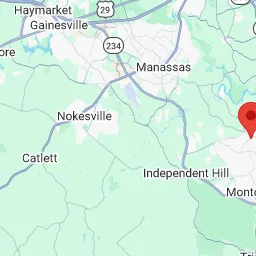
Serving Families Across the Region
While our focus today is on the specific laws here in Northern Virginia, we know that families are often spread out. You might live in Arlington while your sister is in Harpers Ferry.
As a firm, we provide legal services across VA, WV, MD, and DC. If you have family members across state lines and need a guardianship attorney in West Virginia or help with estate administration in Maryland, we have the experience to bridge those gaps. However, for the specific court-supervised processes of guardianship and conservatorship, we focus our practice specifically on the Northern Virginia area.
Why Experience Matters
Taking on the role of a guardian or conservator is a big responsibility. As a conservator, you’ll have to file regular reports with the Commissioner of Accounts to show exactly how every penny of your parent's money was spent. It can be a lot of paperwork, and the court’s oversight is strict.
We don't just get you through the courtroom doors; we help you understand what comes next. We want to make sure you feel confident in your role so you can focus on what really matters: spending quality time with your mom or dad.

Let’s Talk About Your Situation
Watching a parent's health or mental clarity decline is heavy enough without the added burden of legal confusion. Whether you are ready to file for guardianship or you want to see if a "box with no lid" (Revocable Living Trust) is still an option for your family, we are here to help.
We pride ourselves on being a respectful, approachable partner for Northern Virginia families. If you’re worried about an aging parent and aren't sure where to start, reach out to us. Let’s sit down, look at your situation together, and find the best path forward for your family.
Contact Don Shaw Law today to schedule a consultation.
What's the Difference Between Guardianship and Conservatorship in Virginia?

If you’ve started looking into how to help a loved one who can no longer care for themselves, you’ve probably run into two big words: Guardianship and Conservatorship.
In many states, these terms are used interchangeably, or they use one word to cover everything. But here in Virginia, they represent two very specific roles. Knowing the difference is the first step in making sure your family member gets the right kind of protection.
At Don Shaw Law, we help families in Northern Virginia navigate these often-confusing waters. Whether you’re in Fairfax, Loudoun, or Prince William County, understanding these roles is key to a smooth transition.
The Guardian: Protecting the Person
In Virginia, a guardian is the person appointed by the court to look after someone’s physical well-being. Think of the guardian as the primary advocate for a person’s daily life and health.
If you are appointed as a guardian, your responsibilities usually include:
- Living Arrangements: Deciding where your loved one lives, whether that’s in their own home with 24/7 care, an assisted living facility, or a specialized nursing home.
- Medical Care: Making decisions about surgeries, daily medications, and end-of-life care.
- Daily Safety: Ensuring they have proper nutrition, clothing, and social support.
We focus specifically on Northern Virginia for these matters, helping children and spouses step into this role when a family member is no longer safe on their own.
The Conservator: Protecting the Money
While the guardian looks after the person, the conservator looks after the purse strings. A conservator is responsible for the financial estate of the incapacitated adult.
If you are looking for a conservatorship lawyer in VA, it’s usually because you need the legal power to:
- Pay Bills: Access bank accounts to ensure the mortgage, utilities, and taxes are paid.
- Manage Assets: Handle investment accounts, retirement funds, and real estate.
- Prevent Fraud: Unfortunately, seniors are often targets for scams. A conservator can step in to lock down accounts and protect your parent's life savings.
One thing to keep in mind: being a conservator involves significant oversight. You’ll be required to report back to the Commissioner of Accounts to show exactly where every dollar is going. It’s a job that requires organization and a high level of trust.
Can One Person Do Both?
The short answer is: Yes. In fact, in the majority of the cases we handle, the court appoints the same family member to be both the guardian and the conservator. This usually makes the most sense because healthcare decisions and financial decisions are so often linked.
However, there are times when it might be better to split the roles. For example, if one child is a nurse and lives nearby, they might be the perfect guardian, while another child who is an accountant might be better suited as the conservator.
How Estate Planning Can Change the Game
The most important thing to understand is that both guardianship and conservatorship are "court-supervised" processes. They can be slow, public, and expensive. This is why we are big believers in proactive estate planning for families.
If you set up a Revocable Living Trust (or what we call the box with no lid) while everyone is still healthy, you can often avoid the courtroom entirely. You put your assets in the "box," and if you ever become incapacitated, the person you’ve already named as your successor trustee can simply step in and start managing the box. No judges, no GALs, and no public hearings.
We always recommend pairing that trust with a pour-over will to catch anything that didn't make it into the box, ensuring your family stays out of the legal system as much as possible.
Why Local Experience Matters
Whether you are in Arlington or Alexandria, the local Circuit Courts have their own ways of doing things. While we are a guardianship attorney in West Virginia, Maryland, and DC as well, our guardianship and conservatorship practice is specifically tailored to the nuances of Northern Virginia.
We’re Here to Help
If you're feeling overwhelmed by these terms, don't worry, most people are. The best way to find clarity is to sit down and talk through your specific situation. Whether you need to file for emergency guardianship or you want to build a "box with no lid" to prevent these issues in the future, we’re ready to help.
Contact Don Shaw Law today to schedule a consultation.
When Do You Need a Conservatorship Lawyer in VA? A Family Guide

It’s a common scenario: Mom’s memory is starting to fade. She’s lived in the same Northern Virginia home for forty years, but lately, the bills are piling up unopened on the kitchen counter. You tried to help her with her bank account, but the bank told you that without a specific legal document, their hands are tied.
This is the moment many families realize they need a conservatorship lawyer in VA.
If your loved one didn't set up a Power of Attorney while they were healthy, you are essentially "locked out" of their financial life. A conservatorship is the legal "key" that gives you the authority to step in and protect their assets.
Warning Signs That It’s Time to Act
Deciding to go to court is never easy, but there are clear signals that a conservatorship has become necessary:
- Financial Mismanagement: Unpaid bills, utility shut-off notices, or unexplained withdrawals from bank accounts.
- Scams and Fraud: If your parent is sending money to "lottery" winnings or suspicious online characters, they need immediate financial protection.
- Inability to Contract: They need to move into assisted living, but they no longer have the mental capacity to sign the lease or sell their current home.
- No Power of Attorney: This is the big one. If there is no valid Power of Attorney in place, the only way to manage their money is through a court-ordered conservatorship.
What a Conservator Actually Does
As a conservator in Northern Virginia, you are acting as a "fiduciary." This is a fancy legal term that just means you have a high duty to act in your loved one’s best interest.
You will be responsible for:
- Paying for their care and daily needs.
- Safeguarding their property (like their home in Fairfax or Loudoun).
- Investing their funds wisely.
- Filing an initial inventory and annual accountings with the Commissioner of Accounts.
The court oversight is there to make sure nobody takes advantage of a vulnerable person, but it does mean a lot of record-keeping for you. We help our clients stay organized so they can meet these requirements without the stress.
Proactive Planning: Avoiding the Courtroom
While we are here to help if you need a conservator today, we also spend a lot of time helping estate planning for families to make sure they don't need one in the future.
This is where the Revocable Living Trust comes in. We call it the box with no lid. You put your house and money in the "box" now. You name yourself as the person in charge of the box. But, you also name a backup. If you ever get to the point where you can't manage things, your backup just picks up the instructions and keeps going.
By pairing this box with a pour-over will, you create a safety net that keeps your family out of the courtroom and maintains your privacy.
Why Don Shaw Law?
We understand the local landscape. Whether you’re dealing with the clerk’s office in Prince William or the judges in Arlington, we know how the system works in Northern Virginia. While we also serve as a guardianship attorney in West Virginia, Maryland, and DC, our focus for these specific court proceedings is right here in NoVa.
We approach every case with empathy. We know this isn't just about paperwork; it's about your family's peace of mind.
Take the First Step
If you're worried about a loved one's finances and aren't sure if you need a lawyer, give us a call. We can review the situation and let you know if a conservatorship is the right move or if there’s a simpler way forward.
Contact Don Shaw Law today to schedule a consultation.
Virginia Probate: Do You Actually Need a Probate Lawyer or Can You Handle It Yourself?

Losing a loved one is hard enough. Finding out you’ve been named the executor of their estate can feel like a whole second wave of stress. Suddenly, you’re looking at a mountain of paperwork, tax deadlines, and court requirements.
Naturally, the first question most people ask is: "Do I really need a probate lawyer, or can I just do this myself?"
In Northern Virginia, whether you’re dealing with the courts in Fairfax, Loudoun, or Prince William, the answer isn't always a simple yes or no. It depends on how much "mess" is in the estate.
What is Probate, Anyway?
In short, probate is the court-supervised process of proving that a will is valid, paying off any debts, and then distributing what’s left to the heirs.
If your loved one had a Revocable Living Trust (our favorite "box with no lid"), much of this happens outside of the courtroom. But if they only had a traditional will: or no will at all: you’ll likely find yourself at the courthouse.
When You Might Be Able to "DIY"
If the estate is very small (in Virginia, usually under $50,000 in certain assets) and there’s no real estate involved, you might be able to handle it through a "Small Estate Affidavit." If the family all gets along perfectly and there are no debts to settle, you might be able to navigate the clerk’s office on your own.
However, "might" is the keyword there.
When You Definitely Need a Lawyer
We often see executors run into trouble when things get complicated. You should definitely consider hiring a professional if:
- There is Real Estate: Selling a house that is tied up in probate requires specific legal steps in Virginia.
- The Family Isn't Getting Along: If siblings are arguing over who gets what, having a neutral lawyer is the best way to protect yourself from getting sued.
- There are Significant Debts: If the estate owes money to creditors or the IRS, you need to make sure they get paid in the right order. If you pay an heir before a creditor, you could be personally liable for that money.
- You Aren't Local: If you live in another state but need to handle an estate in Northern Virginia, a local firm can handle the "boots on the ground" work for you.
Estate Planning: Avoiding the Probate Trap
The best way to "handle" probate is to avoid it entirely. This is a core part of estate planning for families.
By putting your assets into the box with no lid (Revocable Living Trust) while you are alive, you ensure that when you pass away, the "box" simply stays in the family. There’s no need to ask a judge for permission to move things around. We always recommend pairing that trust with a pour-over will just in case you forgot to put a small asset in the box.
Why We’re Different
We don't just "do" probate. We help families navigate the emotional and legal weight of it. While we are a guardianship attorney in West Virginia, Maryland, and DC, our probate and estate administration work is deeply rooted in the local Northern Virginia rules.
Let Us Take the Weight Off Your Shoulders
If you’ve been named an executor and the thought of going to the courthouse makes your head spin, reach out. We can look at the will, look at the assets, and give you an honest opinion on whether you need our help or if you’re okay on your own.
Contact Don Shaw Law today to schedule a consultation.
Is a Revocable Living Trust in Virginia Worth It for Young Families?

When people think about "estate planning," they often imagine retirees in Florida or people with massive mansions. But if you’re a young family in Northern Virginia: maybe you just bought your first home in Ashburn or started a new job in Tysons: estate planning is actually more important for you.
One of the best tools for young families is something called a Revocable Living Trust (RLT). You might hear it called a "living trust," but we like to think of it as a box with no lid.
Why Your Family Needs a "Box With No Lid"
So, why is an RLT worth it? Here are three big reasons for families with kids:
1. Avoiding the "Courtroom Nightmare"
If something happens to you and your spouse, and you only have a basic will (or no will at all), your kids' inheritance will likely end up in a court-supervised process. This is public, slow, and expensive. With a "box with no lid," you put your house and your life insurance into the box. If you pass away, the person you’ve chosen as the backup "manager" can immediately start using that money to take care of your kids: no judges required.
2. Protecting the Money from… Your Kids
Let’s be honest: an 18-year-old with a $500,000 life insurance check is usually a recipe for disaster. If you don't have a trust, your children could get their entire inheritance the moment they turn 18. With an RLT, you can set the rules. You can say, "They get enough for college now, but they don't get the rest until they’re 25 (or 30, or 35)."
3. Avoiding Conservatorship
If you ever become incapacitated: maybe a car accident or a serious illness: your family would normally have to hire a conservatorship lawyer in VA to get permission to spend your own money on your medical bills. But if your assets are in the "box," your backup manager can step in immediately. It keeps your private life private and out of the courts.
Don't Forget the Pour-Over Will
Whenever we set up an RLT for a family in Northern Virginia, we always pair it with a pour-over will. Think of this like a safety net. If you buy a new car or open a new account and forget to put it in the "box," the pour-over will ensures that everything eventually gets "poured" into the trust after you're gone. It’s the ultimate backup plan.
We’re Part of Your Community
We live and work here too. We know that estate planning for families in Northern Virginia isn't just about taxes; it’s about making sure your kids are taken care of by the people you trust. While we serve as a guardianship attorney in West Virginia, Maryland, and DC, our heart is in helping families right here in Fairfax and Loudoun Counties.
Is It Time to Build Your Box?
You don't need to be a millionaire to have a Revocable Living Trust. You just need to have people you love and a desire to keep them out of the courtroom. If you're ready to start protecting your family's future, let's talk.
Contact Don Shaw Law today to schedule a consultation.